
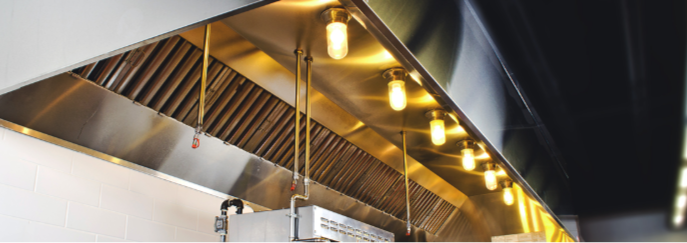
When running a commercial kitchen, having a properly functioning exhaust system is critical to maintaining a safe and clean environment. The exhaust hood filters play an essential role in trapping grease, smoke, and odors from cooking, which keeps your kitchen air clean and minimizes fire risks.
In this article, we’ll discuss five practical tips for choosing commercial kitchen exhaust hood filters to ensure your kitchen remains efficient and safe.
Know the Type of Cooking Equipment in Your Kitchen
The type of cooking equipment you use will greatly influence the kind of exhaust hood filter you need. If your kitchen has heavy-duty equipment like fryers or grills, you’ll need filters that can handle higher volumes of grease and smoke.
For lighter cooking equipment like stoves and ovens, less intensive filters may suffice. The key is to match the filter’s capabilities to the demands of your kitchen’s operations.
Choose the Right Material for Durability
Filters come in a variety of materials, and it’s important to pick one that is durable enough to withstand the demands of your kitchen. Stainless steel is a popular choice because it is strong, resistant to corrosion, and easy to clean.
Aluminum filters, while more affordable, might not last as long and could require more frequent replacement. Choosing a material that can handle the grease and moisture in the kitchen will save you money and reduce the hassle of constant replacements or repairs.
Consider Ease of Maintenance and Cleaning
Regular cleaning is crucial to keep your filters in good condition. Filters that are difficult to clean can quickly become a hassle and compromise their effectiveness. Choose commercial kitchen exhaust hood filters that are easy to remove and clean, ideally ones that can be washed in a dishwasher.
Some filters have a mesh design that allows for quicker grease removal, while others may require more manual effort.
Evaluate the Filter’s Filtration Efficiency
Not all filters are created equal when it comes to capturing grease and smoke. Some filters may only capture large particles, while others are designed to trap both large and small particles, improving overall air quality.
Higher-efficiency filters are better at reducing grease buildup in the exhaust system, which can help extend the life of the hood and ducts. When selecting a filter, look for those with high filtration ratings, as they will provide better protection and require less maintenance over time.
Check for Compliance with Local Regulations
Before making a final decision, ensure that the filter you choose complies with local fire safety and ventilation regulations. In many areas, exhaust systems must meet specific standards to reduce the risk of fire and pollution.
Be sure to check your local regulations to see if there are specific guidelines for exhaust hood filters in commercial kitchens. Failing to comply with these rules could result in fines, inspections, or even shutdowns, so it’s always best to play it safe.
Conclusion
Choosing the right commercial kitchen exhaust hood filter is an important decision that impacts the safety, cleanliness, and efficiency of your kitchen. By understanding the type of cooking equipment you have, selecting durable materials, prioritizing ease of cleaning, ensuring filtration efficiency, and checking for compliance with local regulations, you can make an informed decision that benefits your kitchen in the long run.