
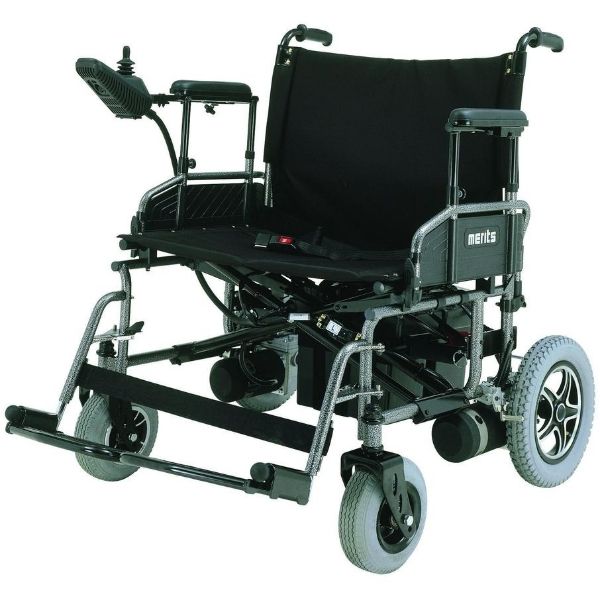
Comfort is not a luxury when it comes to mobility—it is a necessity. For individuals who rely on a wheelchair every day, proper ergonomics directly influence health, independence, and overall quality of life. Poor positioning can lead to chronic pain, fatigue, and long-term complications. By focusing on thoughtful design and personalized adjustments, modern 輪椅 solutions are helping users prevent discomfort while improving daily performance.
Understanding the Importance of Ergonomic Design
Ergonomics refers to designing equipment that fits the human body and supports natural movement. In the context of a 輪椅, this means aligning the seat, backrest, armrests, and footrests to maintain healthy posture and reduce strain.
When seating is poorly adjusted, pressure concentrates on specific points of the body, increasing the risk of pressure sores and musculoskeletal injuries. Over time, improper positioning can cause back pain, shoulder strain, and reduced circulation. An ergonomic approach distributes weight evenly and supports the spine’s natural curve, helping users stay comfortable throughout the day.
Proper Seating and Posture Alignment
One of the most critical aspects of wheelchair ergonomics is seat positioning. The seat width and depth should allow for slight movement without causing instability. If the seat is too wide, users may lean to one side; if too narrow, it can restrict circulation.
Backrest height also plays a significant role. A well-positioned backrest supports the lower spine while allowing freedom of movement for the shoulders. Adjustable lumbar support can significantly reduce lower back discomfort.
Footrests should keep the knees at a natural 90-degree angle, preventing pressure buildup under the thighs. When a 輪椅 is correctly configured, posture becomes balanced, reducing fatigue during long hours of use.
Cushion Technology and Pressure Relief
Pressure management is essential for long-term health. Advanced cushions made from memory foam, gel, or air-cell technology help distribute body weight evenly. These materials reduce peak pressure points and lower the risk of skin breakdown.
Regular cushion checks are equally important. Over time, materials may compress and lose effectiveness. Replacing worn cushions ensures that the 輪椅 continues to provide consistent support.
Pressure-relief techniques, such as periodic weight shifts or tilt-in-space features in powered models, further enhance comfort. These small adjustments make a significant difference in preventing long-term complications.
Arm and Shoulder Protection
Many manual wheelchair users experience shoulder strain due to repetitive propulsion. Ergonomic wheel placement can reduce excessive reaching and minimize joint stress. When rear wheels are positioned correctly, pushing becomes smoother and more energy-efficient.
Armrests should support the forearms without elevating the shoulders. If they are too high, tension builds in the neck and upper back. If too low, users may slump forward. Proper alignment allows the arms to rest naturally, conserving energy throughout the day.
Choosing a lightweight 輪椅 can also decrease the force required for propulsion, further protecting joints from overuse injuries.
Customization and Professional Assessment
Every individual has unique physical needs. A professional seating assessment ensures that measurements, posture analysis, and lifestyle factors are considered when configuring a wheelchair.
Adjustable components—such as reclining backrests, elevating leg rests, and customizable seat angles—allow the 輪椅 to adapt as needs change. This flexibility is especially important for individuals recovering from injury or managing progressive conditions.
Daily Habits That Support Comfort
Beyond equipment design, daily habits contribute to ergonomic well-being. Performing stretching exercises, maintaining proper hydration, and checking positioning regularly help sustain comfort.
Small adjustments throughout the day—such as shifting weight or repositioning footrests—prevent stiffness and discomfort. When ergonomic principles are consistently applied, users experience fewer aches and greater confidence in their mobility.
Conclusion
Wheelchair ergonomics is about more than comfort; it is about protecting long-term health and enhancing independence. Through proper seating alignment, advanced cushioning, and personalized adjustments, a well-configured 輪椅 can prevent pain and improve daily life. By prioritizing ergonomic principles, users not only reduce physical strain but also gain the freedom to focus on work, relationships, and personal goals with greater ease and confidence.