When people search “best taiwan food near me,” they’re not just hungry, they’re looking for something authentic, comforting, and memorable. They want real Taiwanese flavors, not watered-down interpretations or generic Asian menus pretending to be authentic.
That search leads many Las Vegas locals and visitors to Old Taro Taiwanese Cuisine, a restaurant quietly building a loyal following by doing one thing exceptionally well: serving true Taiwanese food with integrity. Located at 5035 S Fort Apache Rd, Las Vegas, NV 89148, Old Taro has become a go-to destination for anyone craving genuine Taiwanese cuisine without compromise.
In this guest guide, we’ll explore why Old Taro stands out, how it delivers on authenticity, and what diners should look for when searching for the best Taiwanese food near them.
Why “Best Taiwan Food Near Me” Is a High-Intent Search
Search behavior in 2025 is more intentional than ever. When someone types best taiwan food near me, they’re not browsing, they’re ready to choose.
This search usually signals:
- A desire for authentic regional cuisine
- Trust in local recommendations over ads
- Willingness to travel a bit for quality
Old Taro fits this intent perfectly by offering food that respects Taiwanese culinary traditions while remaining accessible to a wide audience.
What Defines the Best Taiwanese Food Experience?
Not every restaurant serving Taiwanese dishes delivers a true Taiwanese experience. The best ones share a few defining traits.
Authentic Recipes, Not Shortcuts
True Taiwanese cuisine relies on technique, balance, and time. Sauces are layered, broths are developed slowly, and seasoning is intentional. Old Taro honors this approach, avoiding shortcuts that dilute flavor.
Balance Over Boldness
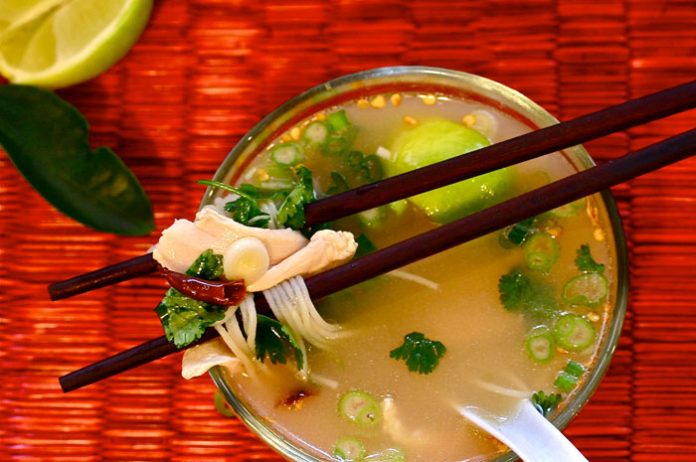
Taiwanese food isn’t about overpowering spice, it’s about harmony. Sweet, savory, umami, and aromatic notes work together. Old Taro’s dishes consistently strike this balance.
Cultural Respect
From presentation to flavor profiles, Old Taro reflects Taiwanese food culture rather than adapting it purely for mass appeal. That respect is something diners immediately notice.
A Local Answer to a Global Craving
Las Vegas is home to countless dining options, yet truly authentic Taiwanese cuisine remains rare. Old Taro fills that gap by focusing on quality instead of hype.
A Restaurant Built on Consistency
Consistency is one of the strongest trust signals for both diners and search engines. Old Taro delivers:
- Reliable flavor profiles
- High ingredient standards
- Familiar comfort with every visit
That consistency keeps guests returning, and recommending it to others.
A Menu Designed With Purpose
Rather than overwhelming diners with endless choices, Old Taro curates its menu to reflect the heart of Taiwanese cuisine. Each dish serves a role, representing flavors and techniques that define the culture.
Why Locals Keep Recommending Old Taro
Word-of-mouth is still one of the strongest ranking factors in real life. Old Taro earns organic recommendations because it delivers a dependable experience.
Locals mention:
- Authentic flavors that taste “right”
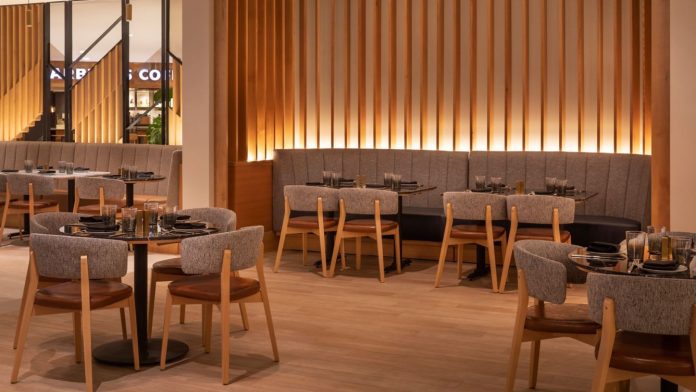
- A welcoming, no-pretension atmosphere
- Food that feels homemade but refined
When locals recommend a place, it’s usually because they trust it themselves.
What First-Time Diners Should Know
If you’re new to Taiwanese cuisine, Old Taro is an excellent introduction. The food is flavorful without being intimidating, making it approachable for first-timers.
Tips for First Visits
- Come hungry and plan to share dishes
- Explore beyond familiar comfort foods
- Take your time, Taiwanese cuisine rewards patience
Dining here isn’t rushed, and that’s part of the experience.
A Neighborhood Restaurant With a Strong Identity
Old Taro’s location on S Fort Apache Rd gives it a neighborhood feel that many Strip restaurants lack. It’s a place where regulars are recognized and newcomers feel welcome.
Benefits of this setting include:
- Easier parking
- A relaxed atmosphere
- A community-driven dining experience
That local presence strengthens trust and long-term loyalty.
Experience Matters More Than Trends in 2025
Food trends come and go, but experience-driven dining continues to grow. Old Taro doesn’t chase viral moments—it focuses on lasting impressions.
This aligns perfectly with Google’s EEAT framework:
- Experience: Real-world culinary expertise
- Expertise: Skilled preparation rooted in tradition
- Authoritativeness: Strong local reputation
- Trustworthiness: Consistent quality and transparency
These principles matter not just for SEO, but for real diners.
Taiwanese Cuisine as Comfort Food With Depth
Taiwanese food has a unique ability to feel comforting while still offering complexity. Many dishes are deeply satisfying without being heavy.
At Old Taro, this means:
- Meals that feel familiar yet interesting
- Food that works for both casual dinners and special occasions
- Flavors that linger without overwhelming
That balance is what keeps people searching for the best Taiwanese food near them, and returning once they find it.
Supporting Authentic, Independent Restaurants Matters
Choosing Old Taro isn’t just about food, it’s about supporting authenticity in a crowded market.
Independent restaurants like Old Taro help:
- Preserve cultural food traditions
- Maintain culinary diversity in Las Vegas
- Offer alternatives to mass-produced dining
For diners who care about where their food comes from, this matters.
Planning Your Visit to Old Taro Taiwanese Cuisine
If your search for best taiwan food near me brought you here, Old Taro is well worth the visit.
Address:
5035 S Fort Apache Rd, Las Vegas, NV 89148
Website:
https://oldtaro.co/
Before heading in, check out their website to explore the menu and get a feel for what they offer. It’s a great way to plan your visit and discover dishes you’ll want to try.
Why Old Taro Deserves a Spot on Your Must-Try List
Old Taro Taiwanese Cuisine doesn’t rely on flashy marketing or gimmicks. Instead, it earns loyalty through:
- Honest cooking
- Cultural authenticity
- Consistent quality
In a city full of options, that approach stands out.
The Search Ends Here
Searching best taiwan food near me is about more than convenience, it’s about trust. Old Taro Taiwanese Cuisine has built that trust by delivering authentic flavors, reliable quality, and a welcoming experience every time.
Whether you’re a longtime fan of Taiwanese cuisine or discovering it for the first time, Old Taro offers a dining experience that feels genuine, satisfying, and worth sharing.
If you value real food, real flavor, and real consistency, your search might just be over.
Explore the menu or plan your visit today: https://oldtaro.co/