
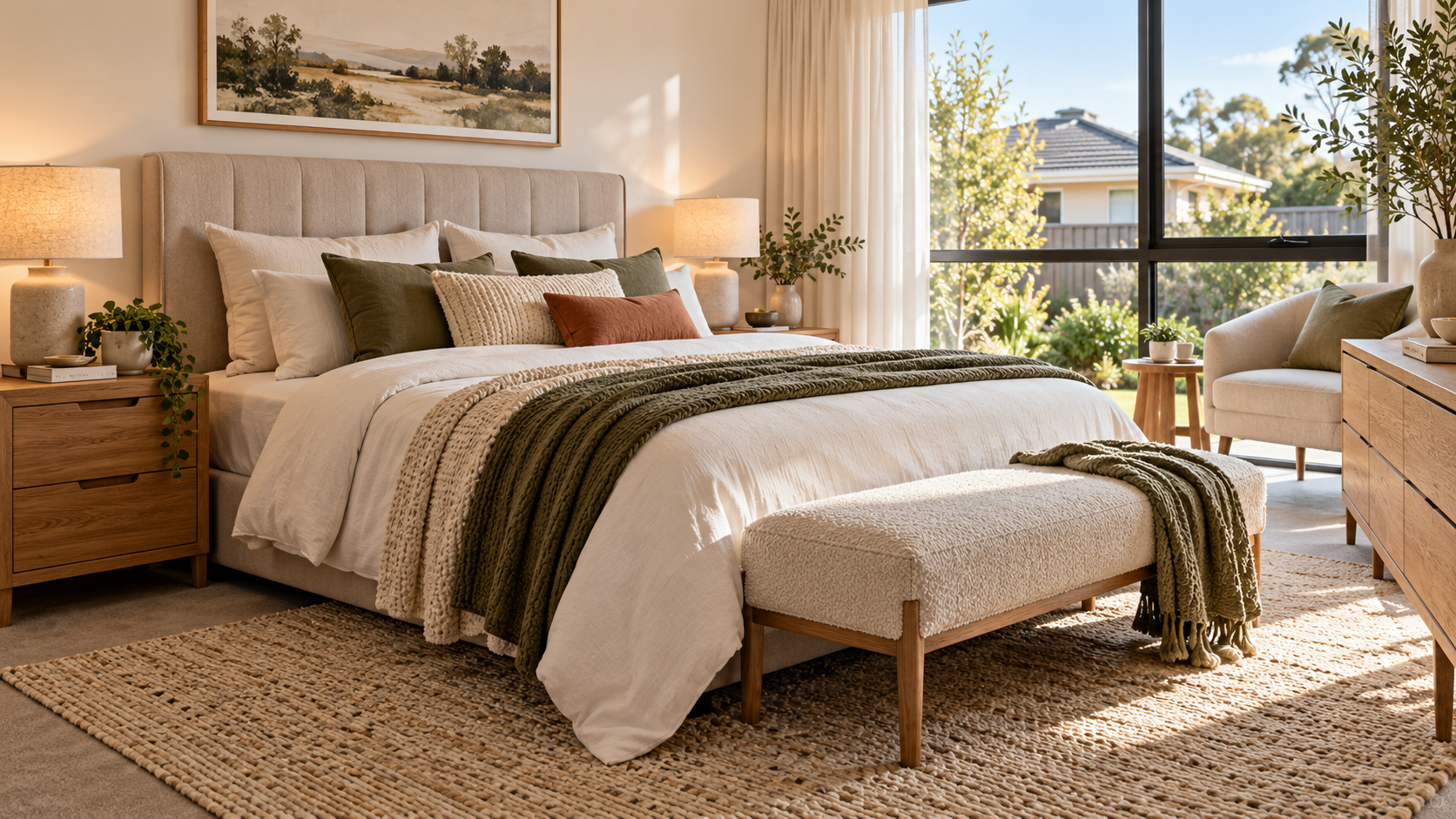
A bed is the one piece of furniture you’ll use more than anything else in your home, so it’s worth thinking through properly rather than buying the first one that catches your eye. Size, frame material, and storage all affect how well it actually fits your room and your day-to-day life, not just how it looks in a showroom.
This guide covers what to check before buying a bed in Thomastown, from choosing the right size to picking a frame that’ll hold up over time. If you’re looking for a furniture shop in Thomastown, understanding these factors can also help you compare your options and choose a bed that actually works for your space.
What Type of Beds Are Out There?
Before narrowing down on size or material, it helps to know the broad categories a bed falls into.
- Platform beds: A low-profile frame with built-in slats, no need for a separate base or box spring underneath. Popular for a cleaner, more modern look.
- Traditional beds: Paired with a separate base or box spring, offering a slightly higher sleeping surface and a more classic bedroom feel.
- Storage beds: Built with drawers or a lift-up base underneath, useful for smaller homes or bedrooms that need extra space for linen or clothing.
- Upholstered beds: Feature a fabric or leatherette headboard, and sometimes a fully upholstered frame, adding a softer look and extra comfort if you sit up in bed often.
- Timber and metal frames: Solid timber offers durability and a natural look, while metal frames tend to be more affordable and suit a leaner, minimalist style.
Most beds fall into a mix of these categories rather than just one. A storage bed can also be upholstered, for example, so it’s less about picking one type and more about combining the features that matter most to you.
What Bed Size Suits Your Room and Household?
Getting the measurements right before you buy prevents ending up with a bed that overwhelms the room or leaves no space to move. Leading home-decor platform Livingetc notes that even small measurement details, like headboard height or the space left around the bed, can make a noticeable difference to how a bedroom layout actually functions day to day.
- Single: Suited to kids’ rooms, guest rooms, or single-person households with limited space. Standard Australian single beds are roughly 92cm wide.
- King single: A step up from single, offering more length and width while still fitting comfortably in a smaller room. A practical option for teens or those who prefer extra space without going to a double.
- Double: Suited to single sleepers who want more room to move, or as a space-saving option for couples in smaller bedrooms.
- Queen: The most common choice for couples, offering a good balance of space and room fit.
- King: The largest standard size, ideal for couples who want maximum space or for larger main bedrooms.
Before deciding on size, measure your room and leave enough clearance around the bed to move comfortably. A king bed might suit your household, but it won’t work if it leaves no walking space on either side.
How Do You Choose The Right Mattress To Go With Your Bed?
A great bed frame won’t make up for a hard and lumpy mattress that compromises a good night’s rest. So it’s worth giving this just as much thought as choosing a bed.
- Firmness: Medium-firm suits most sleepers, but side sleepers often benefit from a softer feel, while back and stomach sleepers usually do better with firmer support.
- Mattress type: Foam mattresses contour closely to the body, innerspring offers more bounce and airflow, and hybrid options combine both for a balance of support and comfort.
- Size match: Always confirm the mattress size matches the bed frame exactly; a queen frame needs a queen mattress, not a close approximation.
- Climate considerations: In Melbourne’s variable climate, breathable materials like innerspring or hybrid mattresses can help regulate temperature better than dense all-foam options, particularly through warmer months.
- Trial period: Many mattress retailers offer trial periods, useful since comfort preferences aren’t always obvious from a quick showroom test.
Finding the right mattress in Melbourne means pairing it with the bed frame you’ve chosen, since the two work together to determine how comfortable and supportive your setup actually is.
What Material Should You Choose For Your Bed Frame?
The material of bed frames in Thomastown affects how the bed looks, how it holds up, and how much maintenance it needs, and in Australian homes, climate plays a bigger role in that decision than people expect.
- Solid timber: Durable and long-lasting, with a natural look that suits both classic and modern bedrooms. It handles humidity and temperature swings better than engineered wood, making it a solid choice for homes without ducted climate control. It costs more upfront but holds up well over years of daily use.
- Upholstered frames: Add a softer look and extra comfort, especially useful if you like to sit up in bed to read or watch TV. Fabric upholstery breathes better in warmer months, while leather or leatherette wipes clean easily but can feel warm to the touch in summer.
- Metal frames: Sturdy, affordable, and low-maintenance, with a leaner look that suits smaller or more modern bedrooms. They hold up well in Australian conditions and don’t warp or swell the way timber can in humid areas.
- MDF or engineered wood: More budget-friendly and often finished with a veneer or laminate. It’s lighter to move but more sensitive to moisture, worth keeping in mind in humid coastal areas or rooms prone to condensation.
Matching materials across the room isn’t essential, but sticking to one or two finishes helps the space feel put together rather than mismatched.
Do You Need a Bed with Storage?
Storage beds add real value if your bedroom needs more than just a bed to sleep on.
- Under-bed drawers: Built into the frame, ideal for linen, seasonal clothing, or anything you’d rather keep out of sight without needing a separate storage piece.
- Lift-up base: Offers even more storage space underneath the mattress, useful for bulkier items, though it takes a bit more effort to access than drawers.
- No storage: A simpler, often more budget-friendly option, better suited if your room already has enough wardrobe or storage furniture elsewhere.
Storage beds work particularly well in smaller bedrooms or homes without a lot of built-in storage. If you’re furnishing a full room rather than just replacing the bed, it’s worth thinking beyond the frame too; a coordinated bedroom set in Hoppers Crossing pairs the bed with matching storage pieces like a tallboy or dresser, which can solve the storage question without needing to think about the bed and the rest of the room separately.
Final Thoughts
A bed is one purchase worth taking your time on, since it affects your sleep, your room’s layout, and your day-to-day routine more than almost anything else in the house. Once the size, material, and storage needs are sorted, the mattress is really just the final piece that ties the whole setup together.
Get those decisions right, and you’re not just buying a bed; you’re setting up a room that actually works for how you live and sleep.
FAQs
- What size bed is best for a small bedroom?
A single, king single, or double usually works best in smaller rooms, since it leaves enough clearance to move around comfortably. Measure the room before buying to avoid a bed that overwhelms the space.
- Is solid timber or metal better for a bed frame?
It depends on priorities. Solid timber is more durable and handles humidity better, while metal frames are more affordable, lightweight, and suit a leaner, minimalist look.
- Are storage beds worth it?
Storage beds are worth considering in smaller homes or bedrooms without much built-in storage, since under-bed drawers or a lift-up base add practical space without needing separate furniture.
- Does the mattress need to match the bed frame size exactly?
Yes, always match the mattress size to the frame exactly. A close approximation can leave gaps or an unstable fit, which affects both comfort and the mattress’s lifespan.
- What mattress type suits Melbourne’s climate best?
Innerspring and hybrid mattresses tend to offer better airflow than dense all-foam options, which can help with temperature regulation through Melbourne’s warmer months.
- Should I buy a bed frame and mattress together or separately?
Either works, but buying them together often makes it easier to confirm sizing and fit. If buying separately, double-check the mattress dimensions against the frame before committing.
- How long should a good bed frame last?
A well-made bed frame, especially solid timber, can last well over a decade with regular use. Frame construction matters more than style when it comes to long-term durability.
- Can I buy a bed and bedroom set together?
Yes, a coordinated bedroom set pairs the bed with matching pieces like a tallboy or bedside table, which can simplify furnishing a full room rather than sourcing pieces separately.




Leave a Reply