
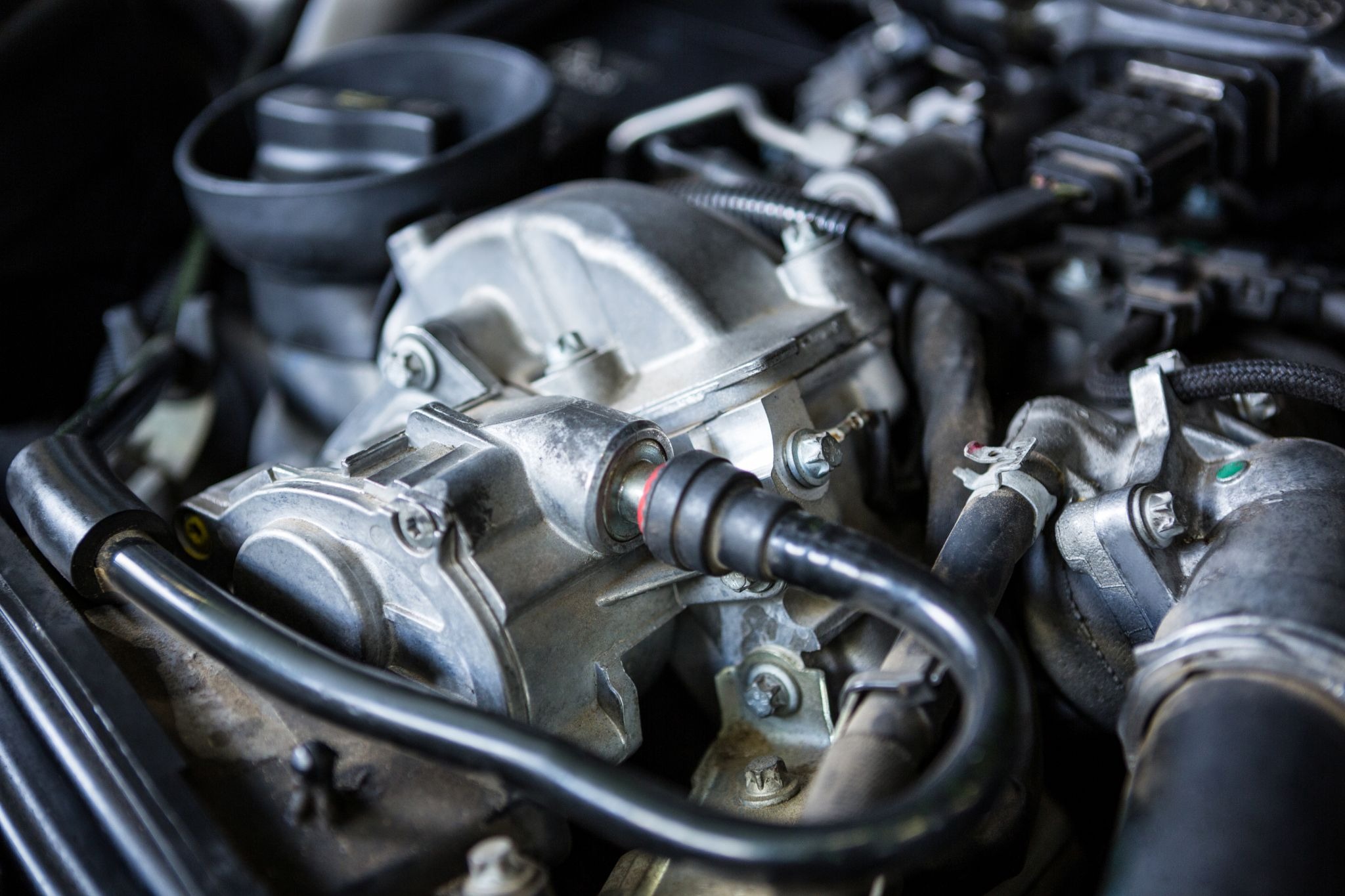
Carbureted engines were once the standard in cars, motorcycles, and other vehicles. Now, in modern vehicles, they are replaced with electronic fuel injection. Older cars with carbureted engines can still run perfectly, but they depend on fuel delivery, airflow, and maintenance.
If you have a car with a carburetor, you can improve its performance by following the tips given below.
Start With Basic Engine Maintenance
Before you upgrade your carburetor, make sure that your engine is operating properly. Your car’s poor performance is not necessarily caused by the carburetor. Various factors, such as worn spark plugs, vacuum leaks, damaged air filters, and inadequate fuel delivery, can cause symptoms like poor acceleration, rough idling, and more.
Therefore, your priority should be routine maintenance. Replace damaged filters, inspect your ignition system, and change spark plugs whenever needed.
Keep the Carburetor Clean
A carburetor has small passages and calibrated components that allow it to meter fuel and mix it with the incoming air. However, dirt, varnish, and fuel deposits can interfere with this process, reducing the carburetor’s performance.
If your engine doesn’t start properly or your car experiences inconsistent acceleration, cleaning the carburetor can solve many problems. Use specific products and follow proper instructions when cleaning your carburetor. If needed, you can also invest in new performance carb accessories.
Check Air and Fuel Delivery
The air and fuel should be delivered properly to a carbureted engine. A restricted air filter can reduce the airflow, and a malfunctioning fuel system can prevent the carburetor from receiving fuel properly.
To make sure the carburetor performs well, check fuel filters, fuel lines, pumps, and other components. Another thing you should remember is that more fuel doesn’t mean better performance. An overly rich mixture can also reduce efficiency and cause poor performance.
Tune the Carburetor Correctly
Carburetor tuning is important because it adjusts the setting so that the engine receives the proper air-fuel mixture. Adjustments depend on the carburetor and may include idle speed, idle mixture, and other settings. There is no single universal tuning. It depends on factory specifications and manufacturer’s instructions.
Changing the settings without understanding their purpose can make your engine even worse. Moreover, changes to jets and other components require additional tuning to achieve the desired result.
Pay Attention to Ignition Timing
Carburetor performance and the ignition system go hand in hand. Ignition timing affects when the air-fuel mixture is ignited. It can also significantly affect engine response and the car’s drivability.
If the ignition timing is not correct, you might try adjusting the carburetor, which can create additional problems. Therefore, you need to check the ignition system as part of engine performance diagnosis.
Test Changes Before Making More Modifications
This is an important thing every driver should know. Before you make any further changes, test the modifications you have already chosen. First, make sure that the engine is healthy, then identify the root cause of the poor performance, and change one thing at a time.
After an adjustment, check whether the car is running properly now. If it develops new symptoms, try to fix the issue before adding new parts. Keep in mind that a properly maintained carburetor can deliver reliable performance without unnecessary modifications.




Leave a Reply