
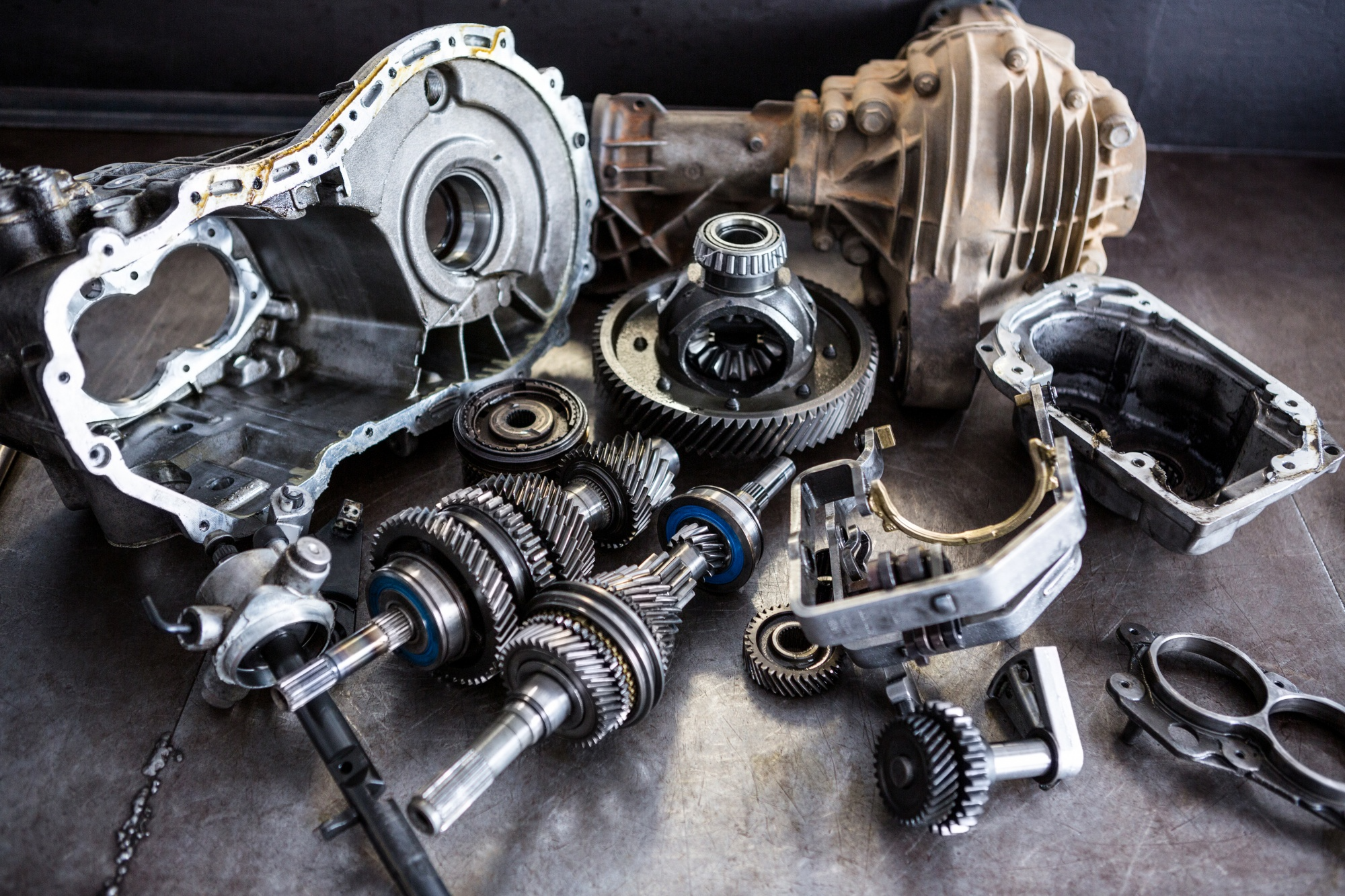
Diesel engines are, without a doubt, the backbone of several industries. They power everything from agricultural equipment and construction machinery to commercial vehicles. Now, these engines only work when different components, like pistons, injectors, cylinder heads, and cooling systems, work together. All these components convert fuel into mechanical energy.
The performance of a diesel engine greatly depends on the quality of these components. Using substandard parts means the engine may not work as efficiently and ultimately fail.
In today’s article, we’ll be outlining critical diesel parts and how they function. Let’s get started.
Fuel Injectors
The fuel system is the heart of any diesel engine, and the injectors are critical components of this system. They deliver a precise amount of diesel into the combustion chamber at a specific timing and pressure. This ensures that the combustion happens at the right time and at peak efficiency.
These injectors reduce emissions and improve fuel efficiency when they’re high-quality.
Turbochargers
Turbochargers are among the most important diesel parts and accessories. They have become popular in modern diesel engines, and for a good reason. A turbocharger forces more air into the combustion chamber, allowing more fuel to be burned. This significantly improves power output without increasing engine size.
Under certain driving conditions, this burning of more fuel improves the acceleration and load-carrying capacity of vehicles. It is estimated that the global diesel turbocharger market could grow to $21 billion by 2034, indicating how industries are adopting this highly efficient tool.
Pistons, Cylinders, and Rings
These components form the core of combustion in a diesel engine. Pistons enable ignition by compressing the air-fuel mixture, whereas piston rings regulate the oil consumption during this process. The cylinder walls are responsible for maintaining the smooth movement of pistons as they guide them.
If any of these components get wear and tear, it could greatly impact the overall engine efficiency. For example, a worn piston ring may cause excessive exhaust smoke. It’s important to inspect them regularly and use high-quality lubricants to keep them working smoothly.
Crankshaft and Camshaft
The crankshaft transmits power to the wheels by converting the linear motion of pistons into rotational motion. The camshaft controls valve timing so the air and fuel flow stays consistent. These components play an important role in how quickly the engine starts and whether it stops when it matters most.
Metal fatigue or wear from insufficient lubrication may affect their performance, resulting in noisy vibrations or engine misfires. These components will operate reliably if you perform regular maintenance on the oil channels and bearings.
Cooling System
The cooling system is responsible for regulating the engine temperature to prevent overheating or engine damage. The core components of this system are the radiator, water pump, coolant passages, and thermostat.
This system will work perfectly well if the coolant levels are regularly checked and the hoses are frequently inspected for cracks.
Final Thoughts
When replacing these components, it’s important to choose a reputable supplier so the engine keeps running smoothly year after year.




Leave a Reply