
The Duke of Edinburgh’s Award (commonly known as DofE) remains one of the world’s most respected youth development programmes in 2025.
Since its founding in the United Kingdom in 1956 by Prince Philip, Duke of Edinburgh, the Award has expanded to more than 140 countries, helping millions of young people build confidence, resilience, and a genuine sense of purpose.
As we move through 2025, the programme continues to evolve, offering fresh opportunities for teenagers and young adults to challenge themselves, serve their communities, and prepare for life beyond school.
This article explores what the duke of edinburgh award 2025 cycle looks like, who can take part, how the programme is structured, and why it continues to matter for young people navigating an increasingly competitive world.
For those weighing up whether to enrol this year, the guide from duke of edinburgh award 2025 offers a practical overview of expedition preparation and what to expect from the journey ahead.
What Is the Duke of Edinburgh Award?
At its core, the DofE Award is a self-improvement framework built around four key pillars.
Participants aged roughly 14 to 24 (age brackets vary slightly by country) choose activities in each category and commit to them over a set period of months, depending on the award level they are pursuing.
The four core sections are:
- Volunteering – giving time to help individuals or the wider community
- Physical – improving performance in a sport or physical activity
- Skills – developing a practical or social skill, from music to coding
- Expedition – planning, training for, and completing a team journey on foot, bike, or another approved mode of travel
At the Gold level, participants also complete a Residential section, which involves living and working with strangers away from home for a set number of days, usually as part of a shared project or activity.
The Three Award Levels in 2025
The programme is structured into three progressive levels, each requiring a longer commitment and greater independence than the last.
- Bronze Award – the entry level, typically open to participants from age 14, requiring a minimum of six months of activity across the core sections
- Silver Award – builds on Bronze, requiring longer participation (usually 12 months for those starting fresh) and a more demanding expedition
- Gold Award – the highest tier, generally taking a minimum of 12 months, including the Residential section and a more challenging multi-day expedition
Each level demands increasing self-direction, meaning participants take greater ownership of planning their activities, setting goals, and reflecting on their progress as they move up the tiers.
Key Developments for 2025
Several notable developments have shaped the Award landscape this year:
- Wider accessibility – in Australia, the Award became available through the Australian Army Cadets in 2025, making participation more affordable and accessible for cadet members across the country
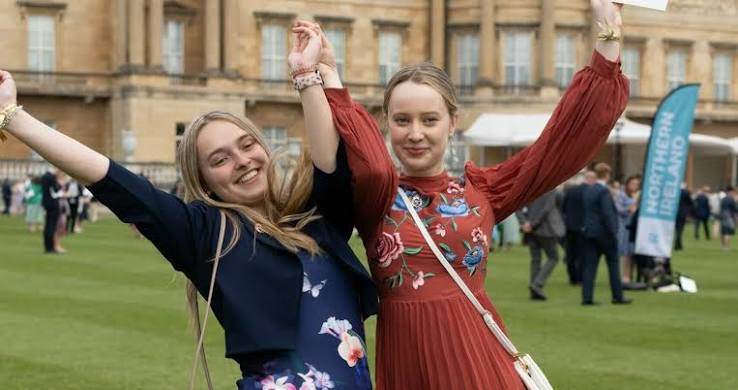
- Continued royal patronage – the Duke of Edinburgh, as Patron of the Award, hosted celebratory events for thousands of young Gold Award achievers in the Palace garden in May 2025, recognising their commitment and achievement
- Growing global reach – the Award continues to expand its footprint across regions including Bangladesh, Canada, and the United States, with local Award-granting bodies coordinating delivery through schools, cadet units, and community organisations
- Digital record-keeping – many national offices continue refining online portals that let participants and leaders log evidence, track hours, and manage sign-offs remotely, reducing paperwork for schools and youth groups
Why Young People Choose the Award
The reasons participants sign up vary widely, but common motivations tend to cluster around a few themes.
- Personal growth – stepping outside a comfort zone through unfamiliar activities and physical challenges
- University and career value – the Award is widely recognised by universities and employers as evidence of initiative, commitment, and teamwork
- Community connection – volunteering sections often lead to lasting relationships with local organisations and causes
- Structured adventure – for many, the expedition section is the highlight, offering genuine outdoor experience often difficult to access otherwise
Alumni frequently describe the Award less as a checklist and more as a formative experience — one that teaches practical skills like navigation, budgeting, and teamwork alongside softer skills like perseverance and self-reliance.
Preparing for the Expedition Section
The expedition is often considered the most demanding part of the Award, and proper preparation matters. Participants and their teams typically need to:
- Learn or refresh navigation and map-reading skills before setting out
- Plan a realistic route appropriate to their fitness level and award tier
- Practise packing efficiently and understanding essential gear
- Complete a practice expedition before attempting the qualifying one
- Understand basic first aid and emergency procedures
Because expedition standards vary by level — with Gold expeditions typically covering more distance over more days in more remote terrain — early preparation is strongly encouraged rather than left until the final months of the award period.
Tips for a Successful Award Journey
For anyone starting or currently working through their Award in 2025, a few practical pointers can make the process smoother:
- Choose activities that genuinely interest you rather than what looks impressive on paper — motivation sustains commitment far better than prestige
- Keep evidence and logbooks updated regularly instead of scrambling before deadlines
- Communicate with your Award Leader early if circumstances change
- Treat the expedition practice run seriously, since it often reveals gaps in fitness or planning
- Reflect honestly in write-ups, since assessors value genuine insight over polished language
Final Thoughts
Nearly seventy years after its founding, the Duke of Edinburgh’s Award continues to offer young people a structured, meaningful path toward personal growth.
The 2025 cycle brings expanded accessibility, continued royal engagement, and steady global growth, reaffirming why the programme remains a trusted benchmark of youth achievement worldwide. For participants willing to commit the time and effort, the Award offers far more than a certificate — it offers a genuine test of character, resilience, and initiative that many describe as one of the most rewarding experiences of their teenage years.
Reference: Wikipedia contributors. “The Duke of Edinburgh’s Award.” Wikipedia, The Free Encyclopedia. https://en.wikipedia.org/wiki/The_Duke_of_Edinburgh’s_Award





Leave a Reply