
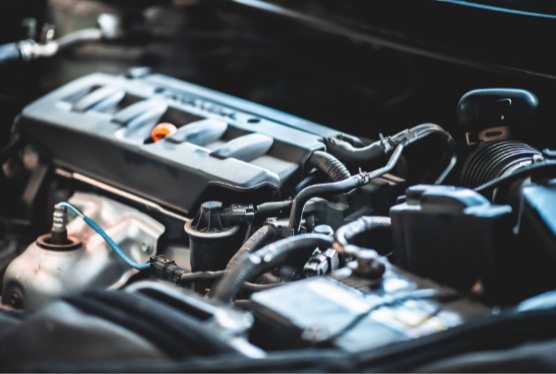
Japanese performance vehicles have captured the imagination of automotive enthusiasts worldwide for decades. From the streets of Tokyo to the highways of North America, these engineering marvels represent a unique blend of reliability, innovation, and affordability that continues to attract drivers seeking both daily practicality and spirited performance.
The Heritage of Japanese Engineering
The rise of Japanese automotive excellence began in the post-war era when manufacturers focused on creating efficient, reliable vehicles for their domestic market. As these companies expanded globally, they brought with them a philosophy of continuous improvement known as “kaizen.” This approach to manufacturing resulted in vehicles that not only performed admirably but also maintained their value and functionality over extended periods. The attention to detail in engineering and manufacturing processes created a reputation that would become legendary among car enthusiasts.
Japanese manufacturers understood that performance didn’t need to come at the expense of reliability. While European sports cars often required extensive maintenance and American muscle cars prioritized raw power, Japanese engineers sought a middle ground. They developed vehicles that could deliver exhilarating performance while remaining dependable enough for everyday use. This practical approach to performance engineering resonated with drivers who wanted excitement without constant trips to the repair shop.
The Golden Era of Performance
The 1990s marked what many consider the golden era of Japanese performance vehicles. During this period, manufacturers unleashed a wave of legendary models that would define a generation of automotive enthusiasm. Turbocharged engines, advanced all-wheel-drive systems, and sophisticated electronic controls became hallmarks of these vehicles. The technology developed during this era was often years ahead of competitors, demonstrating Japan’s commitment to innovation.
These vehicles weren’t just about straight-line speed. Japanese engineers understood that true performance required balance across multiple dimensions. Handling dynamics received as much attention as horsepower figures. Weight distribution, suspension geometry, and chassis rigidity were carefully optimized to create vehicles that felt alive and engaging on winding roads. This holistic approach to performance created driving experiences that enthusiasts still celebrate today.
Aftermarket Support and Modification Culture
One factor that contributed significantly to the popularity of Japanese performance vehicles was the extensive aftermarket support they received. Tuning companies quickly recognized the potential in these platforms and developed countless performance upgrades. From turbocharger systems to suspension components, the availability of aftermarket parts allowed owners to personalize and enhance their vehicles to suit individual preferences and performance goals.
The modification culture surrounding these vehicles created communities of passionate enthusiasts who shared knowledge, experiences, and technical expertise. Online forums and local car meets became gathering places where owners could learn from each other and showcase their builds. This collaborative spirit helped preserve older vehicles and kept them competitive with newer models through strategic upgrades and modifications.
Reliability as a Performance Feature
What truly set Japanese performance vehicles apart was their ability to maintain reliability even when modified for increased performance. The robust engineering that went into these vehicles meant they could handle significant power increases and performance enhancements while remaining dependable. This durability made them attractive not only as weekend toys but as vehicles that could be driven hard and still start every morning for the daily commute.
The availability of replacement components and the standardization of parts across model lines further enhanced their appeal. When maintenance or repairs were needed, parts were generally affordable and readily available. This accessibility contrasted sharply with exotic performance vehicles, where a single component could cost thousands of dollars and require weeks to obtain.
The Modern Market for Classic Performance
Today, there’s renewed interest in these classic Japanese performance vehicles. Enthusiasts who grew up admiring these cars are now in positions to own and restore them. This increased demand has created a thriving market for quality examples and replacement parts. For those seeking to restore or build their dream machine, sourcing authentic components from Japan has become increasingly popular.
Specialist importers have emerged to meet this demand, connecting American enthusiasts with genuine Japanese components. These businesses understand the specific needs of the performance community and work to ensure that quality parts remain accessible. Whether someone is completing a full restoration or upgrading their daily driver, having access to reliable sources for authentic components is essential. Companies like Texas JDM Motors have established themselves by providing enthusiasts with the genuine parts they need to keep these legendary vehicles running strong.
Preserving Automotive History
As these vehicles age, preservation becomes increasingly important. Each properly maintained example represents a piece of automotive history worth protecting. The engineering innovations, design philosophies, and driving experiences they offer cannot be replicated by modern vehicles, which must meet different regulatory requirements and market demands.
Enthusiasts who invest time and resources into maintaining these vehicles perform a valuable service for the automotive community. They ensure that future generations can experience the unique characteristics that made these cars special. Whether through careful restoration or thoughtful modification, keeping these vehicles on the road maintains a connection to an important era in automotive development.
The enduring appeal of Japanese performance vehicles demonstrates that great engineering transcends temporary trends. These machines continue to offer engaging driving experiences and represent excellent value for enthusiasts seeking authentic performance. Their combination of capability, reliability, and modification potential ensures they’ll remain relevant and desirable for years to come.





Leave a Reply